
The Future of Photo Preservation: Why Digitisation Is the Key

In the digital age, we have access to an incredible amount of information at our fingertips. But what about preserving the past? Our family photos are more than just snapshots of the past—they are a window into our personal history, a way to connect with our loved ones who have passed on, and a treasure trove of memories that we want to keep safe for future generations.

As time passes, our photos begin to fade and deteriorate. But there is a solution that can help us preserve these precious memories for years to come: digitisation. In this blog post, we’ll explore why digitising your family photos is the key to their long-term preservation and why it’s crucial for the future of photo preservation.

  1. Preservation

One of the biggest advantages of digitisation is that it preserves your photos for the long term. Physical photos are susceptible to fading, water damage, and other forms of wear and tear. By digitising your photos, you can ensure that they will be preserved for future generations.

  1. Accessibility

Digitising your photos makes them easily accessible. Rather than rummaging through old photo albums or shoeboxes, you can simply search through your digital files to find the photo you’re looking for. This also makes it easier to share your photos with family and friends who live far away.

  1. Organisation

Digitising your photos also allows you to organise them in a more efficient manner. You can sort your photos by date, location, or event, making it easier to find specific photos when you need them.

  1. Restoration

Digitisation can also help restore old, damaged photos. By scanning and digitising a photo, you can then use photo editing software to restore it to its former glory. This can be especially helpful if you have older photos that have suffered damage over time.

  1. Future-proofing

Finally, digitising your family photos is a way to future-proof your memories. As technology advances, new storage formats will emerge, but digital files will always be transferrable to newer storage mediums. By digitising your photos, you can ensure that they will be accessible and preserved for future generations.

Digitisation is the key to preserving your family’s memories for generations to come. By digitising your photos, you can ensure that they are preserved for the long term, easily accessible, and organized in a way that makes sense to you. With the help of a professional photo digitisation service, you can also restore old, damaged photos and future-proof your memories. Don’t let your family’s memories fade away—digitise them today!

How to Create a Family Tree Using Digitised Photos and Genealogy Software

Family trees are a great way to explore and understand your family’s history. By creating a family tree, you can see how your ancestors are related to each other and discover new information about your family’s past. With the advent of digital photo scanning and genealogy software, it’s now easier than ever to create a family tree using digitised photos. In this post, we’ll explore how to create a family tree using digitised photos and genealogy software.

Step 1: Digitise your photos

The first step in creating a family tree using digitised photos is to digitise your photos. You can either do this yourself using a scanner or hire a professional photo digitisation service to do it for you. Once your photos are digitised, you can easily store them on your computer or external hard drive.

Step 2: Organise your photos

The next step is to organise your photos. You can do this by creating folders on your computer and separating your photos by family member. You can also use photo management software like Adobe Lightroom or Google Photos to organise your photos.

Step 3: Choose a genealogy software

There are several genealogy software options available, including Ancestry.com, Family Tree Maker, and Gramps. Choose the one that best suits your needs and budget.

Step 4: Upload your photos to the genealogy software

Once you’ve chosen your genealogy software, you can start uploading your photos. Most genealogy software will have an option to upload photos and attach them to specific family members. Make sure to tag your photos with the correct family member to make them easy to find later.

Step 5: Build your family tree

Now that you have your photos uploaded to the genealogy software, you can start building your family tree. Start with yourself and work your way back through your ancestors. Use the digitised photos to help you visualise your family tree and make it easier to connect the dots.

Step 6: Research and add information

As you build your family tree, you may come across new information about your ancestors. Take the time to research and verify this information before adding it to your family tree. This will ensure that your family tree is accurate and reliable.

Step 7: Share your family tree

Once you’ve completed your family tree, you can share it with your family members. Most genealogy software will have an option to share your family tree online or through email. This is a great way to connect with relatives and share your family’s history.

Creating a family tree using digitised photos and genealogy software is a great way to explore and understand your family’s history. By following these steps, you can easily create a family tree that is accurate, reliable, and easy to share with your loved ones.

Preserving Your Family’s Military History: How Photo Digitisation Can Help Honour Their Service

Military service has been an essential part of many families’ histories, and preserving the legacy of those who have served is a meaningful way to honour their sacrifice. With the advancements in photo digitisation, it is now easier than ever to preserve the photographs and memories of our loved ones who have served in the military.

Here are some ways photo digitisation can help you preserve your family’s military history:

  1. Creating Digital Copies of Photographs: Most families have a collection of photographs of their military ancestors, but these photos are often fragile and prone to damage over time. By digitising these photos, you can create digital copies that will not deteriorate with age, ensuring that future generations will be able to view and appreciate these cherished memories.
  2. Organising Military Photos: As families grow, so do their collections of photographs. It can be challenging to organise a large number of photos, especially when they span across multiple generations. Digitisation provides an opportunity to organise photos by year, location, or event, making it easier to find and view specific images.
  3. Sharing Military History with Relatives: Sharing military history with relatives is an important way to keep the memory of your loved ones who have served alive. Digitised photos can be shared with relatives across the world, allowing them to appreciate the sacrifices made by their family members.
  4. Honouring Military Ancestors on Special Occasions: Digitised photos can be used to honour military ancestors on special occasions such as Remembrance Day, Memorial Day, or family gatherings. Displaying digitised photographs can help keep the memory of loved ones alive and remind family members of their service and sacrifice.
  5. Enhancing Research and Genealogy: Digitised photos can provide valuable insights for researchers and genealogists. Photos can provide clues about where ancestors served, what they did, and the experiences they had during their time in the military. By digitising photos, you can make them accessible to researchers and genealogists, allowing them to learn more about your family’s military history.

In conclusion, photo digitisation is a powerful tool that can help preserve your family’s military history and honour the sacrifice of your loved ones who have served. By digitising your family’s military photos, you can ensure that their legacy lives on for generations to come.

Preserving Precious Moments: The Benefits of Photo Digitisation for Special Occasions and Milestones

Photographs hold the power to capture and preserve our most cherished memories. From weddings and graduations to birthdays and anniversaries, photographs are a way to relive those special moments and milestones for years to come. However, as time passes, photographs can fade, become damaged, or even get lost. That’s where photo digitisation comes in – it allows us to preserve those precious moments and milestones forever. In this blog post, we’ll explore the benefits of photo digitisation for special occasions and milestones.

  1. Preserve Memories for Future Generations

One of the greatest benefits of photo digitisation for special occasions and milestones is that it allows us to preserve memories for future generations. When photos are digitised, they can be stored and shared easily, making it possible for family members and friends to relive those special moments for years to come.

  1. Protect Your Photos from Damage

Another benefit of photo digitisation is that it protects your photos from damage. Over time, physical photographs can become damaged or even destroyed, leaving you with nothing but memories. By digitising your photos, you can protect them from physical damage and ensure that they remain intact for years to come.

  1. Share Your Memories Easily

With digitised photos, sharing your memories with family and friends has never been easier. You can share your photos through social media, email, or even create online photo albums. This allows you to share your special moments with anyone, anywhere in the world.

  1. Create Personalised Gifts

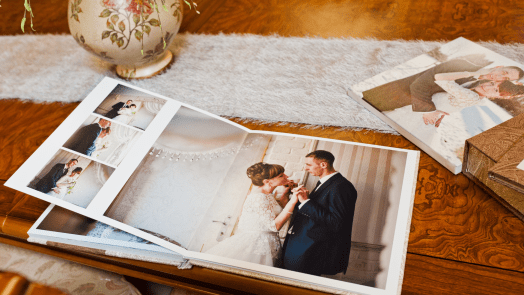
Digitised photos can also be used to create personalised gifts for special occasions and milestones. From creating a photo album for a wedding or graduation to making a personalised photo book for a milestone birthday or anniversary, the possibilities are endless.

  1. Enhance Your Photos

Finally, photo digitisation allows you to enhance your photos. With digital editing tools, you can adjust the brightness and contrast, remove scratches and blemishes, and even add colour to black and white photos. This can help bring your photos back to life and make them look better than ever.

Photo digitisation is an excellent way to preserve special moments and milestones for years to come. By digitising your photos, you can protect them from physical damage, share them easily with family and friends, and even enhance them to make them look better than ever. Whether it’s a wedding, graduation, birthday, or anniversary, photo digitisation allows you to preserve those precious moments and create memories that will last a lifetime.

The Power of Storytelling: Using Your Digitised Photos to Tell Your Family’s History

Family photos have always been a way to capture and preserve memories. They allow us to remember special moments, our loved ones, and the places we’ve been. But what if we told you that your family photos could do more than just that? What if we told you that your digitised photos could tell your family’s story and history?

The power of storytelling through photos is immense. With the rise of digitisation, we have more options than ever to share and preserve our family’s memories. By using your digitised photos, you can create a visual timeline of your family’s history and showcase it to future generations.

Here are some tips on how to use your digitised photos to tell your family’s story:

  1. Organise Your Photos

Before you start creating your family’s history, it’s essential to organise your digitised photos. You can use photo organisation software to sort them by date, event, or person. This will make it easier for you to access the photos you need when creating your timeline.

  1. Create a Timeline

Creating a timeline is an excellent way to tell your family’s story. You can start with the earliest known photo of your family and work your way up to the present day. You can also include photos of significant events, such as weddings, births, or graduations.

  1. Add Context

Adding context to your photos will help bring them to life. You can include dates, locations, and names of the people in the photos. This will help future generations understand the significance of the photos and their place in your family’s history.

  1. Tell Stories

Your photos are a gateway to stories that can connect generations. You can use your digitised photos as a starting point to tell stories about your family members. Share anecdotes, memories, and even family traditions that have been passed down through the generations.

  1. Create a Digital Album

Once you’ve created your timeline, you can create a digital album to showcase your family’s history. You can add captions, music, and even video clips to make it more engaging. You can also share the album with your family members and future generations.

In conclusion, digitised photos are more than just a way to preserve memories. They’re a powerful tool to tell your family’s story and history. By organising your photos, creating a timeline, adding context, telling stories, and creating a digital album, you can share your family’s legacy and keep it alive for generations to come.