
Preserving Your Family’s Legacy: How Genealogy Research Can Complement Your Photo Digitisation Project

Preserving family memories is essential in ensuring that the legacy of your family is passed down to future generations. Digitising old photos and documents is an excellent way to preserve family history, but genealogy research can also help in preserving the family’s legacy. Genealogy research can complement the digitisation project by providing valuable information about family members, their relationships, and their history. In this blog post, we will explore how genealogy research can complement your photo digitisation project.
Understanding Genealogy Research

Genealogy research is the study of family history and ancestry. It involves tracing family lineage, relationships, and histories through various sources such as birth certificates, census records, marriage certificates, and death certificates. The research involves gathering and analysing data to establish a family’s lineage, history, and relationships.

How Genealogy Research Complements Photo Digitisation

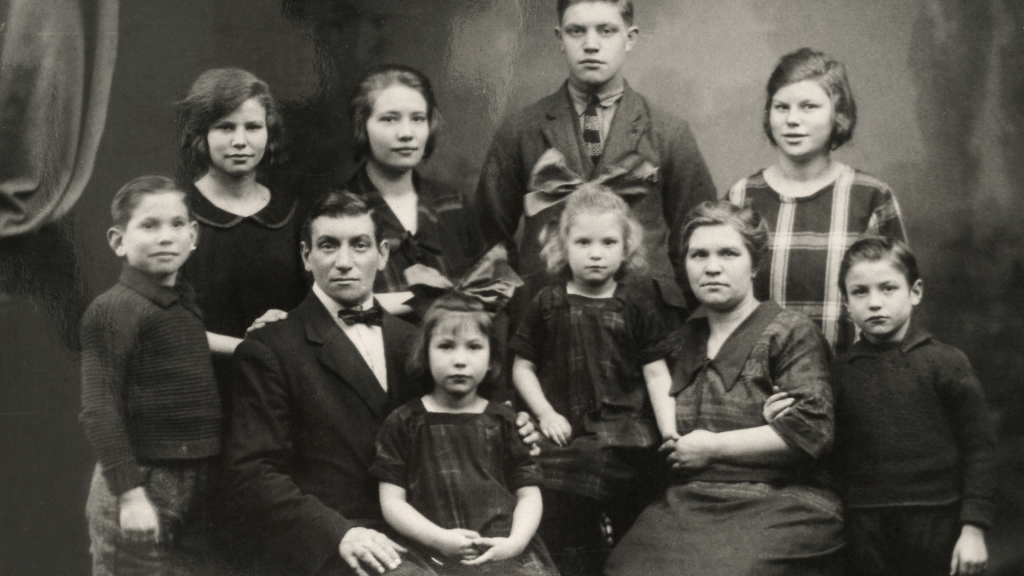
Genealogy research can complement the photo digitisation project by providing valuable information about family members, their relationships, and their history. It can help you identify people in old family photos that you may not recognise or know little about. Genealogy research can also help you understand your family’s migration patterns and their origins. By understanding your family’s history, you can provide context for the digitised photos, making them more meaningful.

Tips for Combining Genealogy Research and Photo Digitisation

  1. Start by organising your family photos and documents. This will make it easier to identify which photos and documents need digitising and which ones have already been digitised.
  2. Start by gathering as much information as you can about your family’s history. This can involve talking to older family members, researching old family documents, and consulting public records.
  3. Use genealogy software to keep track of your research and organise the information you have gathered. Genealogy software can help you keep track of family members, their relationships, and their histories.
  4. Scan and digitise old family documents, such as birth certificates, marriage certificates, and death certificates. These documents can provide valuable information about your family’s history.
  5. Label and tag digitised photos with information about the people, places, and dates in the photos. This will make it easier to organise and search for photos in the future.

Combining genealogy research and photo digitisation can help preserve your family’s legacy. By understanding your family’s history and relationships, you can provide context for digitised photos and documents, making them more meaningful. Organising and digitising old family photos and documents is just the first step in preserving your family’s legacy. Genealogy research can complement the digitisation project by providing valuable information about family members, their relationships, and their history.

How to Create a Photo Backup Plan to Keep Your Memories Safe

In today’s digital age, it’s easier than ever to store and share our memories through photographs. However, with the ever-present threat of data loss due to device failure, cyberattacks, or other unforeseen circumstances, it’s important to have a backup plan in place to ensure that these precious memories are never lost.

Here are some tips for creating a photo backup plan to keep your memories safe:

  1. Choose a reliable backup method: There are several backup methods available, such as cloud storage, external hard drives, and USB drives. Consider your budget, storage needs, and how often you will need to access your backups when choosing a backup method.
  2. Automate backups: Manually backing up your photos can be time-consuming and prone to error. Instead, set up automated backups that will run on a regular schedule, ensuring that your photos are always up-to-date.
  3. Use multiple backup methods: One backup method may not be enough to keep your photos safe. Consider using a combination of backup methods, such as cloud storage and an external hard drive, to ensure that your photos are always protected.
  4. Store backups in different locations: If you only store your backups in one location, such as your home, a disaster such as a fire or flood could result in the loss of both your original photos and your backups. Store your backups in multiple locations, such as a safe deposit box or with a trusted family member.
  5. Test your backups: Simply having backups isn’t enough – you also need to make sure that they work. Periodically test your backups to ensure that your photos can be accessed and restored if needed.

By following these tips, you can create a photo backup plan that will keep your memories safe and ensure that they can be cherished for generations to come.

Beyond Digitisation: Creative Ways to Preserve and Share Your Family Memories

As technology advances, we have more options for preserving and sharing our family memories beyond just digitising them. Here are some creative ways to take your family memories to the next level.

  1. Create a Family Memory: Book A family memory book is a great way to preserve your family history in a physical form. It can be as simple or as elaborate as you like. You can include old photos, family trees, family stories, and anything else that you feel represents your family’s history.
  2. Make a Photo Collage: A photo collage is a fun and creative way to display your family photos. You can create a collage of photos from a specific event, like a family vacation or a wedding. You can also create a collage of photos from different time periods to show how your family has changed over the years.
  3. Create a Family Tree: Creating a family tree is a great way to document your family’s history and lineage. There are many online tools and software programs available that make it easy to create a family tree. You can also create a physical family tree using a poster board and printed photos.
  4. Create a Family Time Capsule: A family time capsule is a great way to preserve memories for future generations. You can include items that represent your family, like photos, letters, and special mementos. You can bury the time capsule in your backyard or store it in a safe place.
  5. Create a Digital Scrapbook: A digital scrapbook is a fun and creative way to display your family photos. There are many online tools and software programs available that make it easy to create a digital scrapbook. You can include photos, stories, and special mementos.
  6. Create a Family Website: Creating a family website is a great way to share your family history with others. You can include photos, family trees, and stories about your family. You can also create a blog to share updates and news about your family.
  7. Make a Family Recipe Book: A family recipe book is a great way to preserve your family’s culinary traditions. You can include family recipes, photos of the dishes, and stories about the history of the recipes. You can also include family stories and photos to make the book more personal.

Digitising your family memories is just the first step in preserving and sharing your family history. These creative ideas will help you take your family memories to the next level and create something that can be cherished for generations to come.