
The Importance of Backing Up Your Digital Photo Collection

In today’s digital age, we are taking more photos than ever before. With the convenience of smartphones and digital cameras, we are capturing precious moments and memories every day. However, with the sheer volume of photos we are taking, it’s easy to overlook the importance of backing up our digital photo collections.

Imagine losing all of your cherished photos in an instant due to a computer crash, hard drive failure, or accidental deletion. It’s a nightmare scenario that can be avoided by taking a few simple steps to backup your photos.

Here are some reasons why backing up your digital photo collection is so important:

  1. Protect against hardware failure: Hard drives and computers can fail unexpectedly, and if your photos are stored only on that device, they could be lost forever.
  2. Protect against theft or loss: If your device is lost or stolen, you may lose all of your precious photos along with it.
  3. Future-proof your memories: Technology is constantly evolving, and digital file formats may become obsolete over time. By backing up your photos, you can ensure that they are accessible and usable for years to come.

So, what are the best ways to backup your digital photo collection? Here are a few options:

  1. Cloud storage: Services like Google Drive, Dropbox, and iCloud offer secure and reliable cloud storage solutions for your digital photos. This means that your photos are stored on remote servers that are accessible from any device with an internet connection.
  2. External hard drives: You can also backup your digital photos to an external hard drive that you keep in a safe place. This is a great option if you have a large photo collection that won’t fit on your computer or if you don’t want to rely on a cloud service.
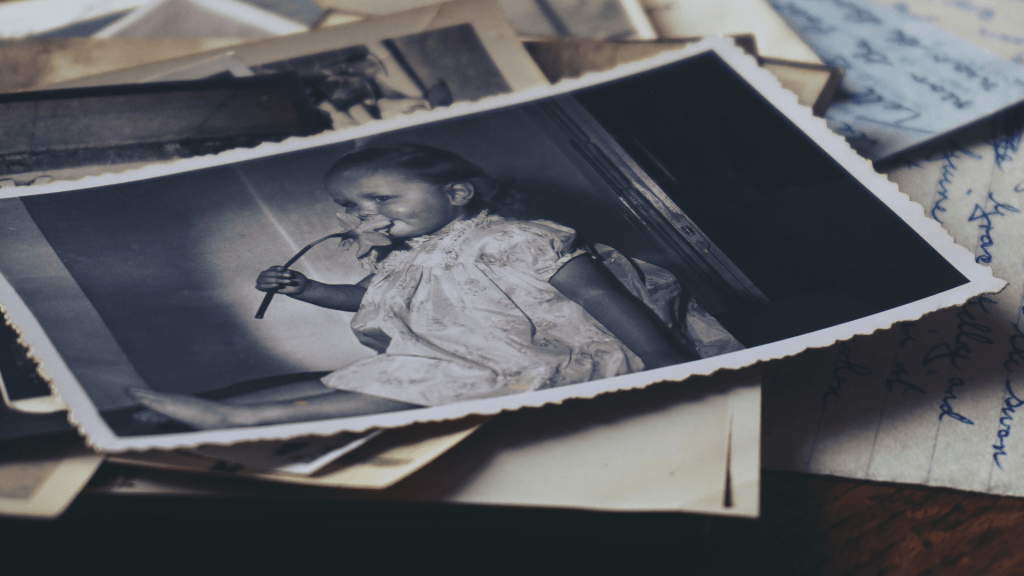
  3. Print your photos: Don’t forget about the power of print! Printing your favourite photos is a great way to ensure that you have a physical copy that can’t be lost due to technology failures.

Backing up your digital photo collection is essential to preserving your precious memories. By taking a few simple steps to backup your photos, you can ensure that they are protected from hardware failures, theft or loss, and technology obsolescence. So, take the time to backup your photos today and enjoy the peace of mind that comes with knowing your memories are safe and secure.
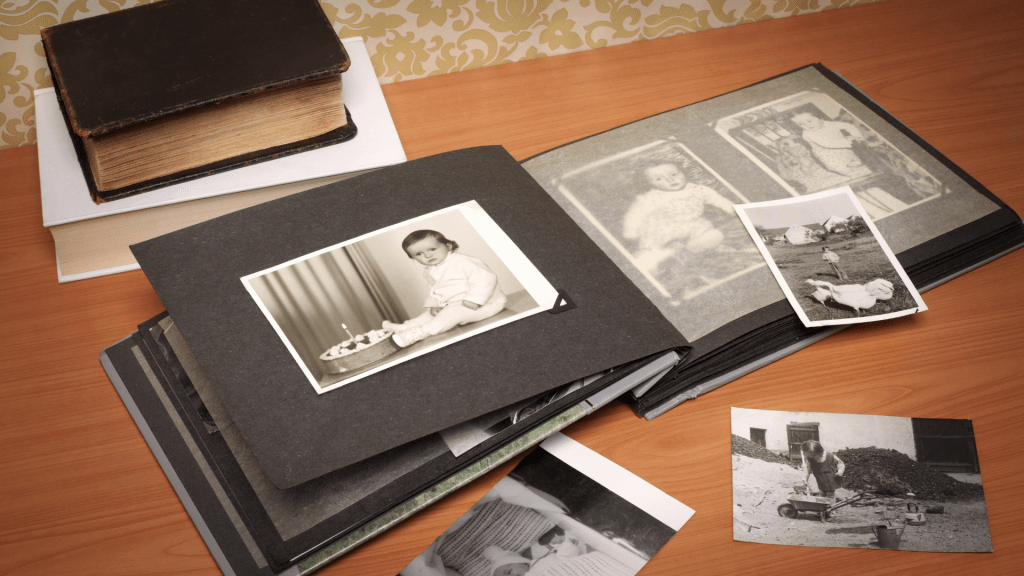
Digitising Your Photos: The Benefits You Didn’t Know About

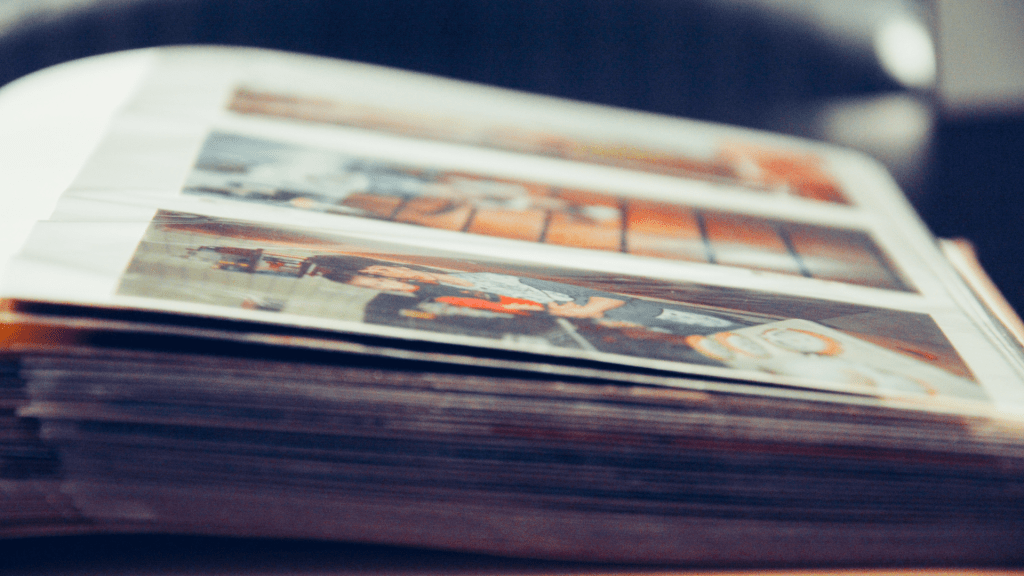
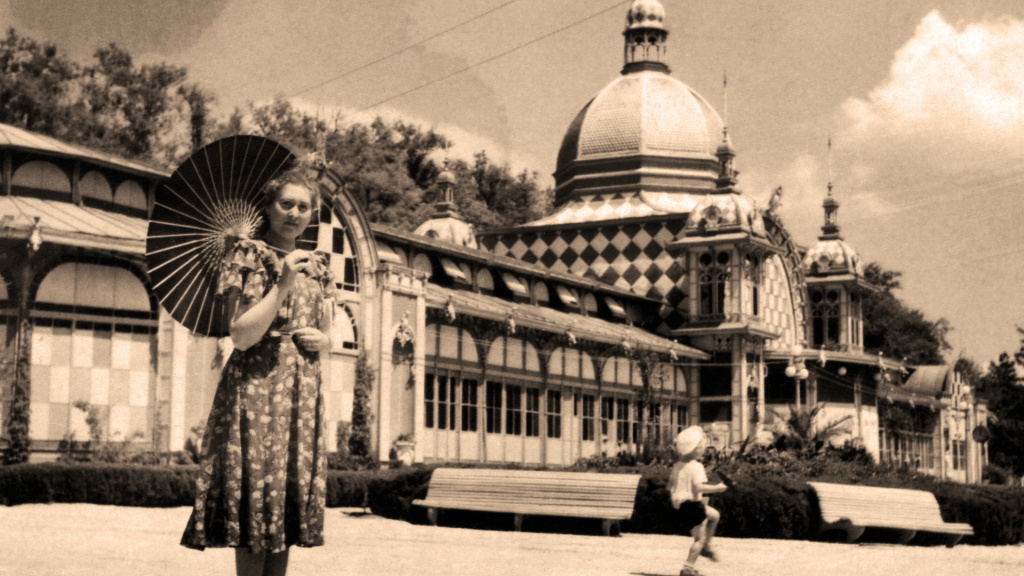
Many of us have old photo albums tucked away in storage, filled with memories and moments captured on film. However, as time goes on, these physical copies can become damaged or lost, leaving us with nothing but fading memories.

Digitising your photos is the solution to this problem, and it offers several benefits you may not have considered. In this blog post, we’ll explore some of these advantages and explain why digitising your photos is a worthwhile investment.

  1. Preservation: One of the most significant benefits of digitising your photos is that it preserves them for future generations. By converting physical copies to digital files, you can ensure that these precious memories are protected from the ravages of time, such as fading, discoloration, or damage.
  2. Easy Sharing: Digital photos can be easily shared with friends and family, no matter where they are in the world. You can send them through email, social media, or even share them through cloud storage, making it easy to keep everyone in the loop.
  3. Space Saving: Storing physical photo albums can take up a lot of space in your home. By digitising your photos, you can reduce the clutter and save space, while still being able to access your memories whenever you want.
  4. Organisation: Digitising your photos also makes it easier to organise them. With digital files, you can add tags, keywords, and captions to your photos, making it easier to search for specific memories.
  5. Editing: Digital photos can be edited easily with photo editing software, allowing you to correct any issues such as colour or brightness. This means that you can enhance the quality of your old photos and make them look even better than before.
  6. Multiple Copies: By digitising your photos, you can make multiple copies to share with family and friends. This means that everyone can have a copy of their favourite memories, without the need to make extra physical copies.

In conclusion, digitising your photos is a great investment that offers many benefits. From preserving your family history to making it easier to share your memories with loved ones, the advantages are clear. So why not start digitizing your photos today and enjoy the benefits for years to come?

5 Tips for Organising and Preserving Your Family Photos

Do you have boxes of old family photos stored away in your home, but aren’t quite sure what to do with them? Preserving family memories can be a daunting task, but with a few simple tips, you can organize and preserve your family photos for generations to come.

Sort and organize your photos: The first step to preserving your family photos is to sort and organize them. This means separating them into categories, such as family vacations, holidays, weddings, and so on. You can also organize them by year or by family member. Once you’ve sorted them, you can store them in acid-free photo albums or archival boxes.

Digitize your photos: To ensure that your family photos are preserved for generations to come, consider digitizing them. This involves scanning them into high-quality digital files that you can store on your computer, in the cloud, or on a portable hard drive. This makes it easier to access and share them with family members, and ensures that they are protected from damage or deterioration.

Label your photos: As you sort and organize your photos, make sure to label them. This can include the date, location, and people in the photo. This not only helps you remember important details about your family history, but also helps future generations understand the context of the photo.

Store your photos properly: When it comes to storing your family photos, it’s important to use acid-free materials that are designed to preserve photos. This includes photo albums, archival boxes, and acid-free sleeves. Avoid storing your photos in direct sunlight or in areas with high humidity or extreme temperatures.

Consider professional preservation services: If you have valuable or fragile family photos that require professional preservation, consider hiring a professional photo preservation service. These services can provide expert care and restoration for your family photos, ensuring that they are preserved for generations to come.

By following these simple tips, you can preserve your family memories and ensure that they are cherished for generations to come. At Precious Memories, we specialize in photo scanning, digitization, and preservation services, helping families preserve their memories with care and expertise.

5 Tips for Organising Your Digital Photo Collection

In today’s digital age, we take more photos than ever before. With smartphones in our pockets, it’s easy to capture every moment of our lives. However, with this convenience comes the challenge of managing and organising our growing digital photo collections. If you’re struggling to keep your digital photos organised, we have five tips to help you get started.

Start with a plan: Before you begin organising your photos, take some time to think about how you want to organise them. Consider creating folders based on events, people, or dates. Having a plan in place will help you stay focused and ensure that your photos are easy to find later on.

Delete the duplicates: It’s easy to accumulate multiple copies of the same photo, especially if you’re taking photos with multiple devices. Take the time to go through your collection and delete any duplicates.

Use descriptive file names: Rename your files with descriptive names that will make them easier to find later. For example, instead of IMG_1234, use a name like “John’s Birthday Party 2022.”

Use tags and keywords: Most photo management software allows you to add tags and keywords to your photos. This makes it easy to search for photos based on specific criteria, such as location, people, or events.

Backup your photos: Finally, make sure you have a backup plan in place. Whether it’s an external hard drive, cloud storage, or both, having a backup will ensure that your photos are safe in case of a computer crash or other disaster.

In conclusion, organising your digital photo collection may seem overwhelming, but with a little planning and effort, it can be a manageable task. By following these tips, you’ll be on your way to a well-organised collection of digital memories that you can enjoy for years to come.

How to Organise Your Digital Family Photo Collection

Digitising your family photo collection is a great way to preserve your memories for generations to come. However, once you have your photos digitised, it’s important to organise them properly. Here are some tips for organising your digital family photo collection:

  1. Decide on a storage location: Before you start organising your digital family photo collection, decide on a storage location. You can store your photos on your computer, on an external hard drive, or in the cloud. Whichever storage location you choose, make sure it’s secure and easily accessible.
  2. Sort your photos by date: Organise your digital family photo collection by sorting your photos by date. This will make it easy to navigate through your collection and find specific photos. You can also use subfolders to further organize your photos by year or event.
  3. Use keywords and tags: Another way to organise your digital family photo collection is to use keywords and tags. You can add tags such as the names of family members, locations, or events to your photos, making it easy to search for specific photos.
  4. Back up your photos: Once you have organised your digital family photo collection, make sure to back it up regularly. This will ensure that your photos are safe in case of computer failure or other disasters.
  5. Share your photos: Finally, don’t forget to share your digital family photo collection with family members. You can create online albums or share photos via email or social media. This will help to keep your family memories alive and bring your family closer together.

At Precious Memories, we offer high-quality photo scanning and digitisation services to help you preserve your family memories. Contact us today to learn more about our services and how we can help you organise your digital family photo collection.

The Future of Photo Preservation: Why Digitisation Is the Key

In the digital age, we have access to an incredible amount of information at our fingertips. But what about preserving the past? Our family photos are more than just snapshots of the past—they are a window into our personal history, a way to connect with our loved ones who have passed on, and a treasure trove of memories that we want to keep safe for future generations.

As time passes, our photos begin to fade and deteriorate. But there is a solution that can help us preserve these precious memories for years to come: digitisation. In this blog post, we’ll explore why digitising your family photos is the key to their long-term preservation and why it’s crucial for the future of photo preservation.

  1. Preservation

One of the biggest advantages of digitisation is that it preserves your photos for the long term. Physical photos are susceptible to fading, water damage, and other forms of wear and tear. By digitising your photos, you can ensure that they will be preserved for future generations.

  1. Accessibility

Digitising your photos makes them easily accessible. Rather than rummaging through old photo albums or shoeboxes, you can simply search through your digital files to find the photo you’re looking for. This also makes it easier to share your photos with family and friends who live far away.

  1. Organisation

Digitising your photos also allows you to organise them in a more efficient manner. You can sort your photos by date, location, or event, making it easier to find specific photos when you need them.

  1. Restoration

Digitisation can also help restore old, damaged photos. By scanning and digitising a photo, you can then use photo editing software to restore it to its former glory. This can be especially helpful if you have older photos that have suffered damage over time.

  1. Future-proofing

Finally, digitising your family photos is a way to future-proof your memories. As technology advances, new storage formats will emerge, but digital files will always be transferrable to newer storage mediums. By digitising your photos, you can ensure that they will be accessible and preserved for future generations.

Digitisation is the key to preserving your family’s memories for generations to come. By digitising your photos, you can ensure that they are preserved for the long term, easily accessible, and organized in a way that makes sense to you. With the help of a professional photo digitisation service, you can also restore old, damaged photos and future-proof your memories. Don’t let your family’s memories fade away—digitise them today!

The Role of Colour Correction in Photo Restoration and Digitisation

Have you ever come across an old family photograph that has started to fade, turn yellow, or lose its original colours? If so, then you know how important it is to restore these photos to their former glory. One of the key steps in this restoration process is colour correction.

Colour correction is a technique used in photo restoration and digitisation to adjust the colours and hues of an image. The goal is to make the photo look as close to the original as possible, while still making it look new and fresh. In this blog post, we’ll explore the role of colour correction in photo restoration and digitisation, and why it’s an important step to take when preserving your family’s memories.

The Importance of Colour Correction

When it comes to old photographs, the colours can often become distorted over time. This can be due to a variety of factors, such as exposure to light, temperature changes, or simply the passage of time. When restoring an old photo, colour correction is essential in order to bring back the true colours and tones of the image.

Colour correction involves adjusting the brightness, contrast, saturation, and hue of the image. By doing so, the photo can be transformed from a faded, discoloured image to one that is rich and vibrant. This is particularly important for family photos, as these images are often cherished memories that are passed down through generations.

Professional vs. DIY Colour Correction

While it is possible to do colour correction yourself using photo editing software, it is often best left to the professionals. Professional photo restoration and digitisation services have the expertise and experience to properly restore old photographs, including using colour correction techniques.

DIY colour correction can be time-consuming and challenging, particularly if you don’t have the right equipment or software. Additionally, incorrect adjustments can actually make the photo look worse than it did originally. If you want to ensure that your family photos are restored properly, it’s best to leave it to the professionals.

Colour correction is an essential step in photo restoration and digitisation. It allows old, discoloured photos to be brought back to life, and ensures that your family’s memories are preserved for future generations. If you have old family photos that need restoration, consider using a professional photo restoration service that offers colour correction as part of their process.

How to Choose the Right Scanner for Your Photo Digitisation Project

When it comes to digitising your old photos, one of the most important steps is choosing the right scanner for the job. With so many different models and brands available, it can be difficult to know where to start. In this post, we’ll cover some key factors to consider when selecting a scanner for your photo digitisation project.

  1. Resolution: One of the most important factors to consider when selecting a scanner is the resolution. This refers to the number of pixels that the scanner can capture per inch (dpi). The higher the resolution, the more detail and clarity your scanned photos will have. For most photo digitisation projects, a resolution of 300-600 dpi is recommended.
  2. Flatbed vs. feeder: There are two main types of scanners: flatbed and feeder. Flatbed scanners are the most common type and are great for scanning individual photos or small batches. Feeder scanners, on the other hand, are better for larger projects with many photos, as they can automatically scan multiple photos at once.
  3. Speed: Another important factor to consider is the speed of the scanner. If you have a large collection of photos to digitise, you may want to consider a scanner with a fast scanning speed to save time.
  4. Compatibility: Before purchasing a scanner, make sure that it is compatible with your computer’s operating system. Some scanners may only work with Windows or Mac, for example.
  5. Price: Finally, you’ll want to consider your budget when selecting a scanner. While higher-end models may offer more features and better quality, they can also be quite expensive. There are plenty of affordable options available, so be sure to compare prices and features before making a decision.

By considering these factors and doing some research, you can choose the right scanner for your photo digitisation project and ensure that your precious memories are preserved for years to come.

Why Digitising Your Family Photos Is More Important Than Ever

In today’s digital age, it’s easy to take photos for granted. We can snap photos on our smartphones, share them instantly with family and friends, and upload them to social media platforms. But what about all those old family photos that are stored away in albums, gathering dust? That’s where digitizing comes in.

  1. Preserve family memories: Family photos are a treasure trove of memories, capturing special moments and milestones in our lives. However, traditional photos can deteriorate over time due to exposure to light, humidity, and other environmental factors. Digitizing your family photos ensures that they are preserved for generations to come, and protects them from damage or loss.
  2. Share memories with family: Digitizing your family photos also makes it easier to share them with family members, regardless of where they live. You can share them via email, social media, or online photo sharing platforms. This helps to keep family members connected, even if they live far apart.
  3. Easy to access and organise: Digital photos are easy to access and organize. You can store them on your computer, in the cloud, or on a portable hard drive, making it easy to find and view your family photos whenever you want. You can also organize them by date, location, or family member, making it easier to navigate through your collection.
  4. Edit and enhance photos: Digitizing your family photos also allows you to edit and enhance them. You can remove scratches, dust, and other imperfections, adjust the color and contrast, and even add special effects. This can breathe new life into old family photos and make them even more special.

At Precious Memories, we understand the importance of preserving family memories. That’s why we offer high-quality photo scanning and digitization services, helping families preserve their memories with care and expertise. Whether you have old photo albums or slides, we can digitize them into high-quality digital files that you can cherish for years to come

From Dusty Albums to Digital Memories: Our Photo Digitisation Process

At some point, we all stumble upon an old photo album that we haven’t seen in years. As we flip through the pages, memories come flooding back, and we are transported to a different time and place. However, those memories are not always safe. Old photos can fade, crack, or even get lost, and with them, the stories that they hold.

That’s where photo digitisation comes in. By converting your old photos into digital files, you can preserve them for future generations, protect them from damage, and even share them with loved ones around the world.

At Precious Memories, we understand the value of family memories, which is why we have developed a photo digitisation process that is safe, efficient, and affordable. Here’s how it works:

Step 1: Preparation

Before we digitise your photos, we will inspect them to ensure that they are clean and free of debris. We will also remove any photos that are damaged beyond repair.

Step 2: Scanning

Using high-quality scanners, we will carefully scan each of your photos at a high resolution. This will capture every detail and ensure that your digital copies are as close to the original as possible.

Step 3: Enhancement

Once your photos are scanned, we will use advanced software to enhance the quality of your images. This may include adjusting the brightness, contrast, or colour balance to make your photos look their best.

Step 4: Storage and Delivery

Once your photos are digitised, we will store them on a secure server and deliver them to you on a USB drive or through our cloud-based platform. This will ensure that you have easy access to your digital memories whenever you want them.

At Precious Memories, we take great pride in our photo digitisation process, and we are confident that you will love the results. Contact us today to get started and preserve your family history for generations to come.