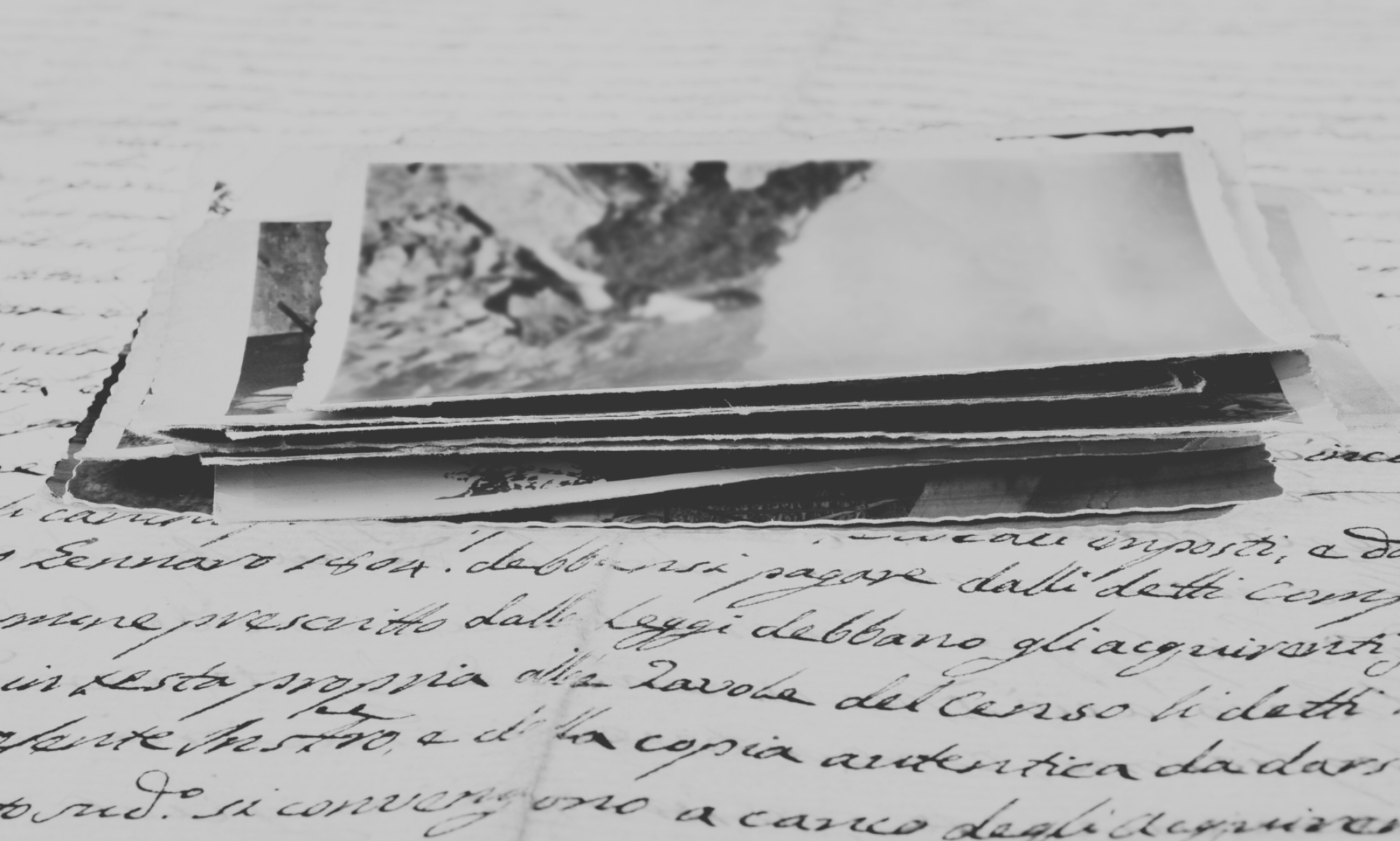

How to Restore Damaged Photos Before Digitising Them

Restoring old, damaged photos can be a challenging task, especially if you want to digitise them. But fear not! In this post, we will share some tips and tricks on how to restore damaged photos before digitising them.

Identify the damage
The first step is to carefully examine the photo and identify any damage. Look for scratches, cracks, tears, stains, or discoloration.

Clean the photo
Before restoring the photo, it’s essential to clean it first. Use a soft-bristled brush or compressed air to remove any dust or debris. If there are stains, use a cotton swab dipped in distilled water to gently wipe the affected area.

Restore the photo digitally
Once the photo is clean, you can begin restoring it digitally. There are many software programs available for photo restoration, such as Adobe Photoshop or GIMP. These programs allow you to remove scratches and stains, adjust brightness and contrast, and even add colour to black and white photos.

Seek professional help
If you’re not comfortable restoring the photo yourself, seek professional help. There are many photo restoration services available that can restore your damaged photos for you. They have the expertise and tools to restore even the most damaged photos.

Digitise the photo
After the photo is restored, it’s time to digitise it. You can use a scanner or a smartphone camera to digitise the photo. If you’re using a scanner, make sure to use a high-resolution setting to capture all the details. If you’re using a smartphone camera, make sure to take the photo in good lighting and at a high resolution.

Restoring damaged photos before digitising them is a crucial step in preserving your family’s memories. With the right tools and techniques, you can restore even the most damaged photos and digitise them for future generations to enjoy.
Maximising Your Photo Digitisation Results: Choosing the Right Resolution and File Format

Digitising your old photographs can be a rewarding and fulfilling task, but it can also be a daunting one, especially when it comes to choosing the right resolution and file format. These two factors can have a significant impact on the final result of your digitisation project, so it’s important to understand the differences and choose wisely. In this blog post, we’ll explore how to maximise your photo digitisation results by choosing the right resolution and file format.

Resolution

When it comes to digitising your photos, resolution refers to the amount of detail that can be captured in the image. The higher the resolution, the more detail that can be captured. However, higher resolution also means larger file sizes, which can impact storage and processing capabilities. So how do you choose the right resolution for your photo digitisation project?

The answer depends on your intended use for the digitised photos. If you plan to print the photos at a large size or use them for professional purposes, such as in a museum or gallery setting, you’ll want to choose a high resolution, typically 600 DPI (dots per inch) or higher. This will ensure that the details of the original photo are captured accurately and can be seen clearly in the final result.

If, on the other hand, you only plan to view the digitised photos on a screen, such as on a computer or TV, a lower resolution of around 300 DPI may be sufficient. This will still capture enough detail to produce a high-quality image on a screen, but the smaller file size will make it easier to store and share.

File Format

Once you’ve chosen the right resolution for your digitisation project, it’s important to consider the file format. There are several file formats to choose from, including JPEG, TIFF, and RAW, each with its own advantages and disadvantages.

JPEG is a commonly used file format and is suitable for most purposes. It offers good compression, making it ideal for storing and sharing digital photos online. However, JPEG is a lossy format, meaning that it compresses the image data, resulting in a loss of quality. This can be a concern if you plan to use the digitised photos for professional purposes.

TIFF, on the other hand, is a lossless file format, meaning that it retains all the data from the original image. It’s a larger file format, but it offers the highest quality, making it ideal for professional use.

RAW is another lossless file format, but it’s primarily used by professional photographers who want to have full control over the editing process. RAW files are larger than JPEG or TIFF files and require specialised software to view and edit.

In general, for most home photo digitisation projects, JPEG or TIFF are the best file formats to use. If you plan to use the digitised photos for professional purposes, TIFF may be the better option.

Choosing the right resolution and file format for your photo digitisation project is crucial to achieving high-quality results. By understanding the differences and advantages of each option, you can make an informed decision and maximise the potential of your old photos. Remember to consider your intended use for the digitised photos when making your choices, and always keep a backup of your original files to ensure they are protected for future generations.

The Pros and Cons of DIY Photo Digitisation vs. Professional Services

Digitising your old family photos is a great way to preserve and share them with future generations. It allows you to create digital copies that can be easily stored, shared, and edited. But when it comes to photo digitisation, there are two main options: doing it yourself or hiring a professional service. Each option has its own set of advantages and disadvantages. In this blog post, we will explore the pros and cons of both DIY photo digitisation and professional services.

DIY Photo Digitisation

Pros:

  1. Cost: One of the most significant advantages of DIY photo digitisation is cost. Purchasing a scanner or camera and doing the work yourself is typically less expensive than hiring a professional service.
  2. Control: When you digitise photos yourself, you have complete control over the process. You can take your time and ensure that each photo is scanned at the right resolution and colour settings.
  3. Convenience: DIY photo digitisation allows you to work at your own pace and on your own schedule. You don’t have to worry about shipping your photos or scheduling an appointment with a professional service.

Cons

  1. Time-consuming: Digitising photos can be a time-consuming process, especially if you have a large collection. It can take hours, if not days, to scan and edit all of your photos.
  2. Quality: The quality of your digitised photos may not be as high as those done by a professional service. You may not have access to the same high-quality scanners or colour correction software.
  3. Technical knowledge: DIY photo digitisation requires some technical knowledge. You need to know how to use a scanner or camera, as well as photo editing software. Without this knowledge, you may not be able to achieve the best results.

Professional Photo Digitisation Services

Pros

  1. Quality: Professional services typically have access to high-quality scanners and editing software, which can result in better-quality digitised photos.
  2. Expertise: Professional services have the knowledge and experience to digitise photos quickly and efficiently. They know how to handle delicate or damaged photos, ensuring they are digitised safely and with the best results.
  3. Convenience: Using a professional service can be convenient. You can ship your photos to the service or drop them off in person. They will take care of the rest, providing you with high-quality digital copies of your photos.

Cons

  1. Cost: The biggest disadvantage of using a professional service is cost. It can be significantly more expensive than DIY photo digitisation.
  2. Lack of control: When you use a professional service, you have less control over the process. You may not have the final say on colour correction or resolution settings.
  3. Turnaround time: Using a professional service can also mean a longer turnaround time. Depending on the service and the number of photos you need digitised, it can take weeks or even months to receive your digitised photos.

Both DIY photo digitisation and professional services have their own set of advantages and disadvantages. It ultimately depends on your budget, time constraints, and technical knowledge. If you have a small collection of photos and want to save money, DIY photo digitisation may be the best option. But if you have a large collection or want the highest quality digitised photos, it may be worth investing in a professional service. Whatever option you choose, digitising your old family photos is a great way to preserve them for future generations.