
Digitising Your Photos: The Benefits You Didn’t Know About

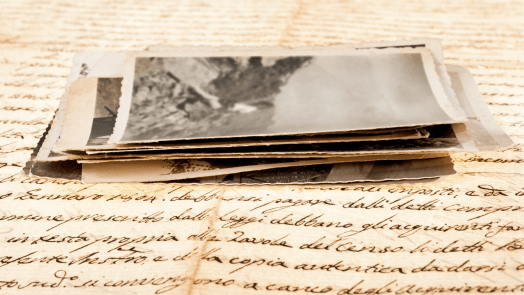
Many of us have old photo albums tucked away in storage, filled with memories and moments captured on film. However, as time goes on, these physical copies can become damaged or lost, leaving us with nothing but fading memories.

Digitising your photos is the solution to this problem, and it offers several benefits you may not have considered. In this blog post, we’ll explore some of these advantages and explain why digitising your photos is a worthwhile investment.
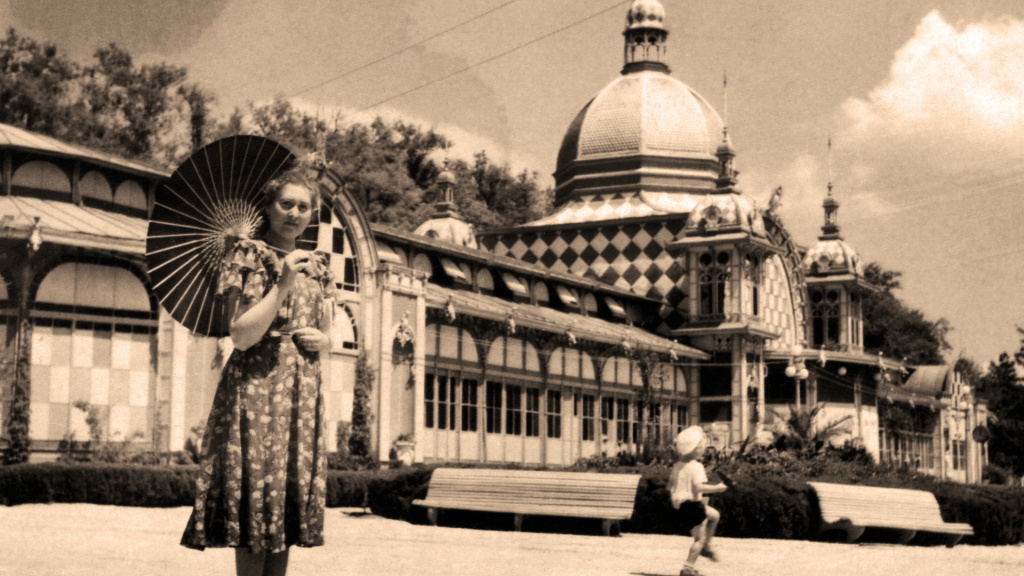
  1. Preservation: One of the most significant benefits of digitising your photos is that it preserves them for future generations. By converting physical copies to digital files, you can ensure that these precious memories are protected from the ravages of time, such as fading, discoloration, or damage.
  2. Easy Sharing: Digital photos can be easily shared with friends and family, no matter where they are in the world. You can send them through email, social media, or even share them through cloud storage, making it easy to keep everyone in the loop.
  3. Space Saving: Storing physical photo albums can take up a lot of space in your home. By digitising your photos, you can reduce the clutter and save space, while still being able to access your memories whenever you want.
  4. Organisation: Digitising your photos also makes it easier to organise them. With digital files, you can add tags, keywords, and captions to your photos, making it easier to search for specific memories.
  5. Editing: Digital photos can be edited easily with photo editing software, allowing you to correct any issues such as colour or brightness. This means that you can enhance the quality of your old photos and make them look even better than before.
  6. Multiple Copies: By digitising your photos, you can make multiple copies to share with family and friends. This means that everyone can have a copy of their favourite memories, without the need to make extra physical copies.

In conclusion, digitising your photos is a great investment that offers many benefits. From preserving your family history to making it easier to share your memories with loved ones, the advantages are clear. So why not start digitizing your photos today and enjoy the benefits for years to come?
How to Share Your Digitised Photos with Family and Friends

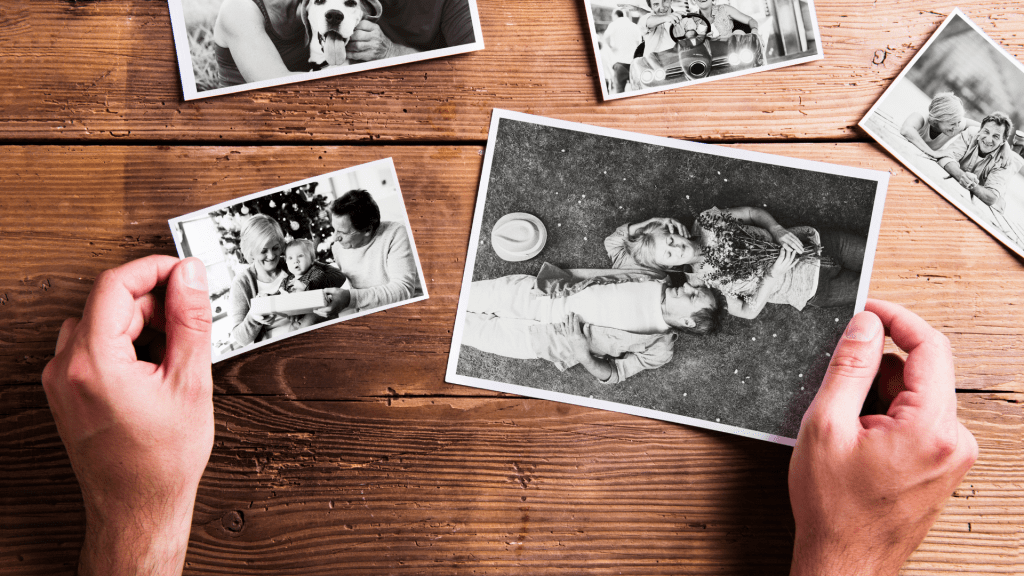
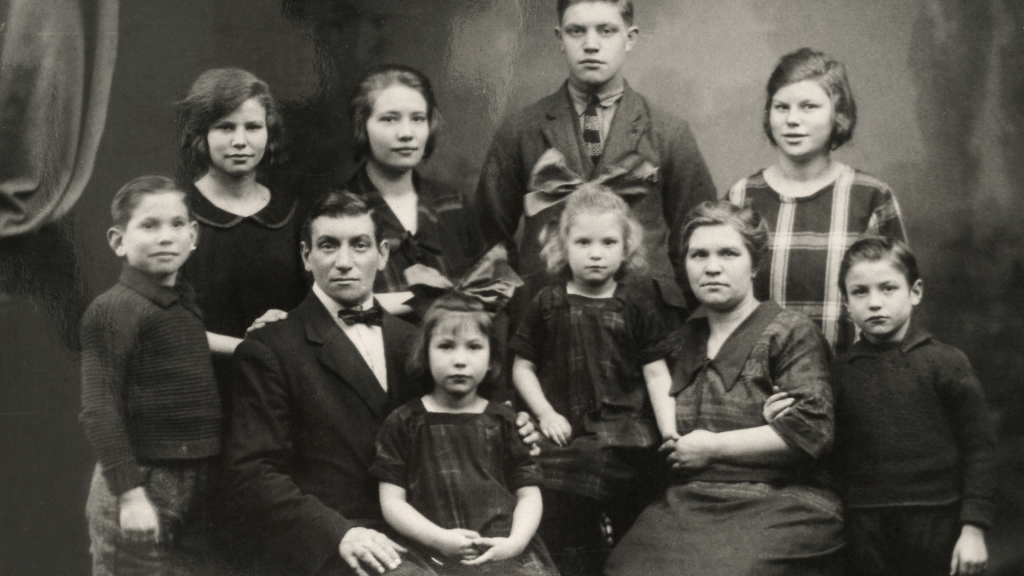
Digitising your old family photos is a great way to preserve your precious memories. But what’s the point of digitising your photos if you can’t share them with your loved ones? In this blog post, we’ll discuss some creative ways to share your digitised photos with family and friends.

Social Media

One of the easiest ways to share your digitised photos is through social media. Platforms like Facebook, Instagram, and Twitter allow you to share your photos with your entire network of friends and family instantly. You can also create private groups on these platforms to share your photos with a select group of people.

Cloud Storage Services

Cloud storage services like Google Drive, Dropbox, and iCloud are great for sharing large numbers of photos with family and friends. All you need to do is upload your photos to the cloud and share the link with your loved ones. They can then download the photos to their own devices.

Email

If you only want to share a few photos, email is a great option. Most email services have a limit on the size of attachments you can send, so make sure to compress your photos before sending them.

Photo Books

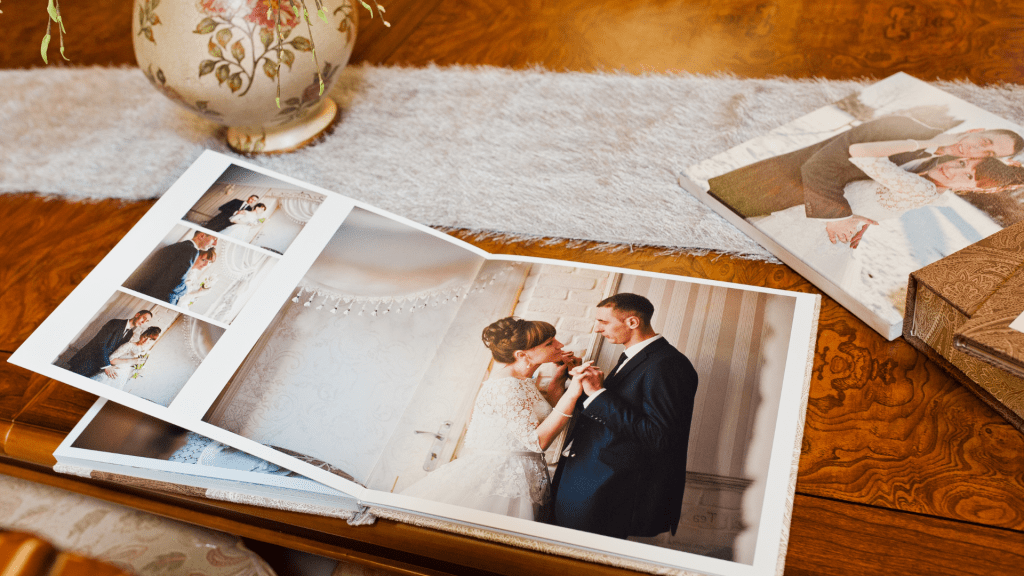
Another creative way to share your digitised photos is by creating photo books. You can use online services like Shutterfly, Snapfish, and Mixbook to create beautiful, professional-looking photo books that you can gift to your loved ones.

Slideshows

Creating a slideshow of your digitised photos is another great way to share them with family and friends. You can use free software like iMovie or Windows Movie Maker to create a slideshow with music and captions.

Digital Frames

Digital photo frames are a great way to display your digitised photos in your home. You can choose from a variety of sizes and styles, and some even allow you to connect to the internet and download photos from your cloud storage service.

USB Drives

If you want to share your photos with someone who doesn’t have an internet connection, a USB drive is a great option. You can simply copy your digitised photos onto a USB drive and give it to your loved one.

Digitising your photos is a great way to preserve your memories for future generations. And by using these creative ways to share your digitised photos with family and friends, you can ensure that your memories are enjoyed by everyone who loves them.

Preserving Your Family’s Legacy: How Genealogy Research Can Complement Your Photo Digitisation Project

Preserving family memories is essential in ensuring that the legacy of your family is passed down to future generations. Digitising old photos and documents is an excellent way to preserve family history, but genealogy research can also help in preserving the family’s legacy. Genealogy research can complement the digitisation project by providing valuable information about family members, their relationships, and their history. In this blog post, we will explore how genealogy research can complement your photo digitisation project.

Understanding Genealogy Research

Genealogy research is the study of family history and ancestry. It involves tracing family lineage, relationships, and histories through various sources such as birth certificates, census records, marriage certificates, and death certificates. The research involves gathering and analysing data to establish a family’s lineage, history, and relationships.

How Genealogy Research Complements Photo Digitisation

Genealogy research can complement the photo digitisation project by providing valuable information about family members, their relationships, and their history. It can help you identify people in old family photos that you may not recognise or know little about. Genealogy research can also help you understand your family’s migration patterns and their origins. By understanding your family’s history, you can provide context for the digitised photos, making them more meaningful.

Tips for Combining Genealogy Research and Photo Digitisation

  1. Start by organising your family photos and documents. This will make it easier to identify which photos and documents need digitising and which ones have already been digitised.
  2. Start by gathering as much information as you can about your family’s history. This can involve talking to older family members, researching old family documents, and consulting public records.
  3. Use genealogy software to keep track of your research and organise the information you have gathered. Genealogy software can help you keep track of family members, their relationships, and their histories.
  4. Scan and digitise old family documents, such as birth certificates, marriage certificates, and death certificates. These documents can provide valuable information about your family’s history.
  5. Label and tag digitised photos with information about the people, places, and dates in the photos. This will make it easier to organise and search for photos in the future.

Combining genealogy research and photo digitisation can help preserve your family’s legacy. By understanding your family’s history and relationships, you can provide context for digitised photos and documents, making them more meaningful. Organising and digitising old family photos and documents is just the first step in preserving your family’s legacy. Genealogy research can complement the digitisation project by providing valuable information about family members, their relationships, and their history.

The Future of Photo Preservation: Why Digitisation Is the Key

In the digital age, we have access to an incredible amount of information at our fingertips. But what about preserving the past? Our family photos are more than just snapshots of the past—they are a window into our personal history, a way to connect with our loved ones who have passed on, and a treasure trove of memories that we want to keep safe for future generations.

As time passes, our photos begin to fade and deteriorate. But there is a solution that can help us preserve these precious memories for years to come: digitisation. In this blog post, we’ll explore why digitising your family photos is the key to their long-term preservation and why it’s crucial for the future of photo preservation.

  1. Preservation

One of the biggest advantages of digitisation is that it preserves your photos for the long term. Physical photos are susceptible to fading, water damage, and other forms of wear and tear. By digitising your photos, you can ensure that they will be preserved for future generations.

  1. Accessibility

Digitising your photos makes them easily accessible. Rather than rummaging through old photo albums or shoeboxes, you can simply search through your digital files to find the photo you’re looking for. This also makes it easier to share your photos with family and friends who live far away.

  1. Organisation

Digitising your photos also allows you to organise them in a more efficient manner. You can sort your photos by date, location, or event, making it easier to find specific photos when you need them.

  1. Restoration

Digitisation can also help restore old, damaged photos. By scanning and digitising a photo, you can then use photo editing software to restore it to its former glory. This can be especially helpful if you have older photos that have suffered damage over time.

  1. Future-proofing

Finally, digitising your family photos is a way to future-proof your memories. As technology advances, new storage formats will emerge, but digital files will always be transferrable to newer storage mediums. By digitising your photos, you can ensure that they will be accessible and preserved for future generations.

Digitisation is the key to preserving your family’s memories for generations to come. By digitising your photos, you can ensure that they are preserved for the long term, easily accessible, and organized in a way that makes sense to you. With the help of a professional photo digitisation service, you can also restore old, damaged photos and future-proof your memories. Don’t let your family’s memories fade away—digitise them today!

Why Digitising Your Family Photos Is More Important Than Ever

In today’s digital age, it’s easy to take photos for granted. We can snap photos on our smartphones, share them instantly with family and friends, and upload them to social media platforms. But what about all those old family photos that are stored away in albums, gathering dust? That’s where digitizing comes in.

  1. Preserve family memories: Family photos are a treasure trove of memories, capturing special moments and milestones in our lives. However, traditional photos can deteriorate over time due to exposure to light, humidity, and other environmental factors. Digitizing your family photos ensures that they are preserved for generations to come, and protects them from damage or loss.
  2. Share memories with family: Digitizing your family photos also makes it easier to share them with family members, regardless of where they live. You can share them via email, social media, or online photo sharing platforms. This helps to keep family members connected, even if they live far apart.
  3. Easy to access and organise: Digital photos are easy to access and organize. You can store them on your computer, in the cloud, or on a portable hard drive, making it easy to find and view your family photos whenever you want. You can also organize them by date, location, or family member, making it easier to navigate through your collection.
  4. Edit and enhance photos: Digitizing your family photos also allows you to edit and enhance them. You can remove scratches, dust, and other imperfections, adjust the color and contrast, and even add special effects. This can breathe new life into old family photos and make them even more special.

At Precious Memories, we understand the importance of preserving family memories. That’s why we offer high-quality photo scanning and digitization services, helping families preserve their memories with care and expertise. Whether you have old photo albums or slides, we can digitize them into high-quality digital files that you can cherish for years to come

How to Create a Family Tree Using Digitised Photos and Genealogy Software

Family trees are a great way to explore and understand your family’s history. By creating a family tree, you can see how your ancestors are related to each other and discover new information about your family’s past. With the advent of digital photo scanning and genealogy software, it’s now easier than ever to create a family tree using digitised photos. In this post, we’ll explore how to create a family tree using digitised photos and genealogy software.

Step 1: Digitise your photos

The first step in creating a family tree using digitised photos is to digitise your photos. You can either do this yourself using a scanner or hire a professional photo digitisation service to do it for you. Once your photos are digitised, you can easily store them on your computer or external hard drive.

Step 2: Organise your photos

The next step is to organise your photos. You can do this by creating folders on your computer and separating your photos by family member. You can also use photo management software like Adobe Lightroom or Google Photos to organise your photos.

Step 3: Choose a genealogy software

There are several genealogy software options available, including Ancestry.com, Family Tree Maker, and Gramps. Choose the one that best suits your needs and budget.

Step 4: Upload your photos to the genealogy software

Once you’ve chosen your genealogy software, you can start uploading your photos. Most genealogy software will have an option to upload photos and attach them to specific family members. Make sure to tag your photos with the correct family member to make them easy to find later.

Step 5: Build your family tree

Now that you have your photos uploaded to the genealogy software, you can start building your family tree. Start with yourself and work your way back through your ancestors. Use the digitised photos to help you visualise your family tree and make it easier to connect the dots.

Step 6: Research and add information

As you build your family tree, you may come across new information about your ancestors. Take the time to research and verify this information before adding it to your family tree. This will ensure that your family tree is accurate and reliable.

Step 7: Share your family tree

Once you’ve completed your family tree, you can share it with your family members. Most genealogy software will have an option to share your family tree online or through email. This is a great way to connect with relatives and share your family’s history.

Creating a family tree using digitised photos and genealogy software is a great way to explore and understand your family’s history. By following these steps, you can easily create a family tree that is accurate, reliable, and easy to share with your loved ones.

The Emotional Impact of Digitising Your Family Photos

Family photos hold a special place in our hearts. They capture memories of our loved ones and help us relive moments that we may have forgotten. However, as time passes, these precious memories can fade away, become lost or damaged, and even the physical copies can get destroyed or misplaced.

To ensure that these memories are preserved for future generations, it’s important to digitise your family photos. But did you know that digitising your photos can also have an emotional impact? In this post, we’ll explore how digitising your family photos can bring back memories, strengthen bonds, and even help heal emotional wounds.

  1. Bringing back memories: One of the biggest benefits of digitising your family photos is the ability to bring back memories that may have been forgotten. Looking at old photos can help trigger memories that may have been buried in the back of your mind. By digitising these photos, you can easily access them and relive those moments whenever you want.
  2. Strengthening bonds: Looking at family photos together can also help strengthen the bond between family members. It’s a great way to reminisce about the good times and share stories with each other. By digitising your family photos, you can easily share them with family members who may live far away, bringing everyone closer together.
  3. Healing emotional wounds: Family photos can also bring up painful memories, such as the loss of a loved one or a difficult family situation. However, by digitising these photos, you can take control of these memories and choose how to interact with them. You can choose to keep them private, share them with a trusted loved one, or even create a special digital album to help you heal.
  4. Preserving family history: Family photos are not just memories of individual moments but also an important part of your family’s history. By digitising these photos, you’re preserving your family’s history for future generations. Your children, grandchildren, and even great-grandchildren will be able to learn about their family history and heritage through these photos.
  5. Reducing clutter: Finally, digitising your family photos can help reduce clutter in your home. Old photo albums and boxes can take up a lot of space, and it’s easy for them to get damaged or lost. By digitising them, you can free up physical space while also preserving your memories.

In conclusion, digitising your family photos is not just about preserving memories; it can also have a positive emotional impact. By bringing back memories, strengthening bonds, healing emotional wounds, preserving family history, and reducing clutter, digitising your family photos can improve your overall well-being.

Exploring Different Printing Options for Your Digitised Photos

Digitising your old photo albums is a great way to preserve your family memories for future generations. But once you have your digital photo collection, what’s the best way to print and display your photos? In this post, we’ll explore different printing options for your digitised photos.

  1. Traditional Prints

The most common and straightforward way to print your digitised photos is to order traditional prints. You can use online services like Shutterfly, Snapfish, or even your local drugstore to order prints of your favourite photos. Traditional prints are a great option if you want to display your photos in frames or albums.

  1. Canvas Prints

Canvas prints are another popular option for displaying your digitised photos. They give your photos a unique and artistic look that can really make them stand out. You can order canvas prints online from companies like CanvasPop or Canvas On Demand, or you can even print them yourself if you have a large format printer.

  1. Metal Prints

If you’re looking for something more modern and contemporary, metal prints are a great option. They’re printed directly onto aluminium, which gives them a sleek and durable finish. Metal prints are perfect for displaying your photos in modern spaces, like an industrial loft or minimalist apartment.

  1. Photo Books

Another popular option for displaying your digitised photos is to create a photo book. Photo books allow you to tell a story with your photos and can be a great way to showcase your favourite memories. You can create photo books online using services like Shutterfly, Snapfish, or Blurb.

  1. Digital Frames

If you want to display your photos in a more high-tech way, digital frames are a great option. They allow you to display a slideshow of your favourite photos, which can be a fun and interactive way to share your memories with family and friends. You can find digital frames online or at your local electronics store.

There are many different printing options for your digitised photos, from traditional prints to canvas prints, metal prints, photo books, and digital frames. The best option for you will depend on your personal style and the space you have available for displaying your photos. No matter which option you choose, digitising your old photos is a great way to preserve your family memories for years to come.

Preserving Your Family’s Military History: How Photo Digitisation Can Help Honour Their Service

Military service has been an essential part of many families’ histories, and preserving the legacy of those who have served is a meaningful way to honour their sacrifice. With the advancements in photo digitisation, it is now easier than ever to preserve the photographs and memories of our loved ones who have served in the military.

Here are some ways photo digitisation can help you preserve your family’s military history:

  1. Creating Digital Copies of Photographs: Most families have a collection of photographs of their military ancestors, but these photos are often fragile and prone to damage over time. By digitising these photos, you can create digital copies that will not deteriorate with age, ensuring that future generations will be able to view and appreciate these cherished memories.
  2. Organising Military Photos: As families grow, so do their collections of photographs. It can be challenging to organise a large number of photos, especially when they span across multiple generations. Digitisation provides an opportunity to organise photos by year, location, or event, making it easier to find and view specific images.
  3. Sharing Military History with Relatives: Sharing military history with relatives is an important way to keep the memory of your loved ones who have served alive. Digitised photos can be shared with relatives across the world, allowing them to appreciate the sacrifices made by their family members.
  4. Honouring Military Ancestors on Special Occasions: Digitised photos can be used to honour military ancestors on special occasions such as Remembrance Day, Memorial Day, or family gatherings. Displaying digitised photographs can help keep the memory of loved ones alive and remind family members of their service and sacrifice.
  5. Enhancing Research and Genealogy: Digitised photos can provide valuable insights for researchers and genealogists. Photos can provide clues about where ancestors served, what they did, and the experiences they had during their time in the military. By digitising photos, you can make them accessible to researchers and genealogists, allowing them to learn more about your family’s military history.

In conclusion, photo digitisation is a powerful tool that can help preserve your family’s military history and honour the sacrifice of your loved ones who have served. By digitising your family’s military photos, you can ensure that their legacy lives on for generations to come.

Preserving Precious Moments: The Benefits of Photo Digitisation for Special Occasions and Milestones

Photographs hold the power to capture and preserve our most cherished memories. From weddings and graduations to birthdays and anniversaries, photographs are a way to relive those special moments and milestones for years to come. However, as time passes, photographs can fade, become damaged, or even get lost. That’s where photo digitisation comes in – it allows us to preserve those precious moments and milestones forever. In this blog post, we’ll explore the benefits of photo digitisation for special occasions and milestones.

  1. Preserve Memories for Future Generations

One of the greatest benefits of photo digitisation for special occasions and milestones is that it allows us to preserve memories for future generations. When photos are digitised, they can be stored and shared easily, making it possible for family members and friends to relive those special moments for years to come.

  1. Protect Your Photos from Damage

Another benefit of photo digitisation is that it protects your photos from damage. Over time, physical photographs can become damaged or even destroyed, leaving you with nothing but memories. By digitising your photos, you can protect them from physical damage and ensure that they remain intact for years to come.

  1. Share Your Memories Easily

With digitised photos, sharing your memories with family and friends has never been easier. You can share your photos through social media, email, or even create online photo albums. This allows you to share your special moments with anyone, anywhere in the world.

  1. Create Personalised Gifts

Digitised photos can also be used to create personalised gifts for special occasions and milestones. From creating a photo album for a wedding or graduation to making a personalised photo book for a milestone birthday or anniversary, the possibilities are endless.

  1. Enhance Your Photos

Finally, photo digitisation allows you to enhance your photos. With digital editing tools, you can adjust the brightness and contrast, remove scratches and blemishes, and even add colour to black and white photos. This can help bring your photos back to life and make them look better than ever.

Photo digitisation is an excellent way to preserve special moments and milestones for years to come. By digitising your photos, you can protect them from physical damage, share them easily with family and friends, and even enhance them to make them look better than ever. Whether it’s a wedding, graduation, birthday, or anniversary, photo digitisation allows you to preserve those precious moments and create memories that will last a lifetime.