
The Art of Photo Restoration: Techniques and Tips for Bringing Old Photos Back to Life

We all have old photos that we treasure, whether they are family portraits, vintage photographs, or historic images. However, over time, these photos can become damaged, faded, or worn out, leaving us with memories that are hard to see or even lost.

But fear not, because photo restoration is here to save the day! Photo restoration is the process of repairing and enhancing old photographs, restoring them to their former glory and preserving them for future generations to come. In this blog post, we’ll explore the art of photo restoration, including techniques and tips for bringing your old photos back to life.
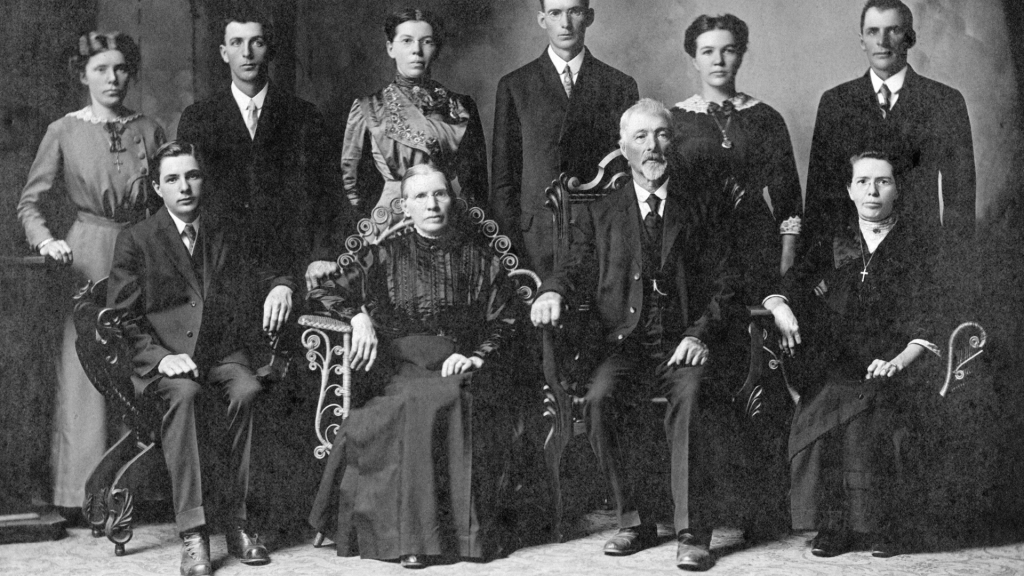
  1. Understanding the Damage: The first step in photo restoration is to understand the type of damage your photo has suffered. This can include scratches, stains, fading, or even missing pieces. By identifying the damage, you can determine the best restoration technique to use.
  2. Restoring the Photo: There are several techniques for restoring photos, depending on the type of damage. For instance, if the photo is stained, you can use photo editing software to remove the stains. If there are scratches or marks, you can use cloning or retouching tools to repair the damage. It’s important to keep in mind that photo restoration is a delicate process, and it’s best to work slowly and carefully to avoid damaging the photo further.
  3. Colour Correction: Colour correction is an essential part of photo restoration, as old photos often lose their colour over time. Using photo editing software, you can adjust the colour balance, saturation, and hue to restore the photo’s original colours.
  4. Enhancing the Photo: Once the photo is restored, you can enhance it to bring out its full potential. This can include sharpening the image, adjusting the contrast, and adding filters or special effects.
  5. Saving and Preserving the Photo: Finally, it’s important to save and preserve the restored photo. Make sure to save the photo in a high-resolution format, such as TIFF or RAW, and keep a backup copy in case the original is lost or damaged. You can also consider printing the photo or creating a photo book to display and share with others.

Photo restoration is a complex and rewarding art form that requires patience, skill, and attention to detail. By following these tips and techniques, you can bring your old photos back to life and preserve your memories for years to come.

How to Choose the Right Scanner for Your Photo Digitisation Project

When it comes to digitising your old photos, one of the most important steps is choosing the right scanner for the job. With so many different models and brands available, it can be difficult to know where to start. In this post, we’ll cover some key factors to consider when selecting a scanner for your photo digitisation project.

  1. Resolution: One of the most important factors to consider when selecting a scanner is the resolution. This refers to the number of pixels that the scanner can capture per inch (dpi). The higher the resolution, the more detail and clarity your scanned photos will have. For most photo digitisation projects, a resolution of 300-600 dpi is recommended.
  2. Flatbed vs. feeder: There are two main types of scanners: flatbed and feeder. Flatbed scanners are the most common type and are great for scanning individual photos or small batches. Feeder scanners, on the other hand, are better for larger projects with many photos, as they can automatically scan multiple photos at once.
  3. Speed: Another important factor to consider is the speed of the scanner. If you have a large collection of photos to digitise, you may want to consider a scanner with a fast scanning speed to save time.
  4. Compatibility: Before purchasing a scanner, make sure that it is compatible with your computer’s operating system. Some scanners may only work with Windows or Mac, for example.
  5. Price: Finally, you’ll want to consider your budget when selecting a scanner. While higher-end models may offer more features and better quality, they can also be quite expensive. There are plenty of affordable options available, so be sure to compare prices and features before making a decision.

By considering these factors and doing some research, you can choose the right scanner for your photo digitisation project and ensure that your precious memories are preserved for years to come.

How to Restore Damaged Photos Before Digitising Them

Restoring old, damaged photos can be a challenging task, especially if you want to digitise them. But fear not! In this post, we will share some tips and tricks on how to restore damaged photos before digitising them.

Identify the damage
The first step is to carefully examine the photo and identify any damage. Look for scratches, cracks, tears, stains, or discoloration.

Clean the photo
Before restoring the photo, it’s essential to clean it first. Use a soft-bristled brush or compressed air to remove any dust or debris. If there are stains, use a cotton swab dipped in distilled water to gently wipe the affected area.

Restore the photo digitally
Once the photo is clean, you can begin restoring it digitally. There are many software programs available for photo restoration, such as Adobe Photoshop or GIMP. These programs allow you to remove scratches and stains, adjust brightness and contrast, and even add colour to black and white photos.

Seek professional help
If you’re not comfortable restoring the photo yourself, seek professional help. There are many photo restoration services available that can restore your damaged photos for you. They have the expertise and tools to restore even the most damaged photos.

Digitise the photo
After the photo is restored, it’s time to digitise it. You can use a scanner or a smartphone camera to digitise the photo. If you’re using a scanner, make sure to use a high-resolution setting to capture all the details. If you’re using a smartphone camera, make sure to take the photo in good lighting and at a high resolution.

Restoring damaged photos before digitising them is a crucial step in preserving your family’s memories. With the right tools and techniques, you can restore even the most damaged photos and digitise them for future generations to enjoy.

Reviving Lost Memories: How Photo Restoration Can Help You Reconnect with Your Past

Have you ever stumbled upon a box of old photos that have seen better days? Perhaps they have water damage, are torn or creased, or the colours have faded. These photos may seem beyond repair, but with the right tools and techniques, they can be restored to their former glory. In this blog post, we’ll explore how photo restoration can help you reconnect with your past by bringing lost memories back to life.

Preserving Family Memories

Photos are an important way to preserve our family memories, and they allow us to pass down our family history to future generations. However, over time, these memories can become damaged and deteriorate. Photo restoration is a process that can bring these photos back to life and allow us to once again see the faces and places that are important to us.

The Restoration Process

The restoration process involves repairing and enhancing the damaged photo. This can include repairing tears and creases, removing scratches, and adjusting colour balance and contrast. In some cases, missing parts of the photo can be reconstructed to restore it to its original state. The process is delicate and requires a skilled hand, as well as the right tools and techniques.

Benefits of Photo Restoration

Photo restoration not only allows us to preserve and pass down our family history, but it also provides a sense of connection to our past. By seeing photos of family members who have long since passed away or places that no longer exist, we can connect with our past in a way that is not possible through words alone.

In addition to the emotional benefits, photo restoration can also add value to old photos. Restored photos can be used for a variety of purposes, including creating prints, albums, or digital collections. They can also be used for genealogy research or as part of historical exhibits.

Finding a Professional Restorer

While there are many tools and software available for photo restoration, the best results often come from working with a professional. A professional photo restorer has the experience, knowledge, and tools to bring your photos back to life. They can also provide advice on how to best preserve and display your restored photos.

Photo restoration is a powerful tool for reconnecting with our past and preserving our family history. By restoring old photos, we can see the faces and places that were important to our ancestors and gain a sense of connection to our past. Whether you choose to restore your photos on your own or work with a professional, the end result is well worth the effort.